
Search Website
Inclusive Excellence in Learning and Teaching
Strategic Plan Commitment
Western cultivates inclusive, equitable and accessible learning environments, embedding Indigenization and EDIDA principles and best practices into our teaching, curriculum, programming and assessment.
This year, Western advanced this priority by:
✓ Embedding EDIDA into curriculum design and academic program reviews
✓ Supporting instructors through professional learning and inclusive teaching resources
✓ Creating accessible and more equitable learning environments
✓ Expanding opportunities for students to engage with diverse perspectives and ways of knowing
Key Areas of Progress
Units integrated EDIDA principles into curriculum development, program review processes and educational resources to support more inclusive learning experiences.
- The Office of Academic Quality and Enhancement (OAQE) continued to embed EDIDA into cyclical program reviews through IQAP workshops, self-study supports, and efforts to increase diversity among review panel members and external reviewers.
- Western Libraries partnered with the Arthur Labatt Family School of Nursing to develop Knowledge Justice in the Helping Professions: From Theory to Practice, an open educational resource grounded in anti-colonial pedagogy and epistemic justice.
- The Department of Geography & Environment hosted “Donuts & Diversity: Decolonizing Curriculum,” providing faculty and graduate students with practical tools and discussion opportunities related to decolonial approaches to curriculum design.
- The Schulich School of Medicine & Dentistry advanced curriculum renewal through Inclusive Anatomy, Indigenous health education, anti-racism initiatives and the development of an Inclusive Curriculum for Health Professions Education resource hub.
Across Western, instructors, academic leaders and graduate students participated in professional learning opportunities designed to strengthen inclusive teaching practice.
- The Centre for Teaching and Learning (CTL) facilitated 53 EDIDA-focused programs attended by 1,753 participants, supporting anti-racist pedagogy, accessibility, cultural competency and inclusive course design.
- The Faculty of Law introduced cultural competency learning for first-year students and continued to integrate guest lectures and experiential learning opportunities focused on disability rights, 2SLGBTQIA+ access to justice, legal ethics and equity-deserving communities.
- The Faculty of Science shared student experiences and practical strategies for creating more inclusive classrooms through presentations delivered at Faculty Council.
Units strengthened accessibility and belonging through initiatives that reduce barriers and support student success.
- Student Experience incorporated accessibility training into Orientation Week planning, introduced sensory-friendly spaces, and created new accessibility resources and planning tools for student leaders.
- Ivey Business School implemented a Capacity-Based Student Support and Engagement Model that integrates advising, accessibility, resilience learning and student leadership development within a unified support framework.
- Western Continuing Studies centralized student support information within Brightspace and converted post-degree course materials into captioned video formats to improve accessibility and flexibility for learners.
- The School of Graduate & Postdoctoral Studies incorporated Office of EDI and Office of Indigenous Initiatives learning modules into its Own Your Future professional development program.
Units created opportunities for students to engage with histories, perspectives and ways of knowing that enrich learning beyond traditional classroom experiences.
- The Department of History brought more than 100 participants together through programming featuring Joseph McGill Jr. of the Slave Dwelling Project, creating opportunities to engage with Black history, slavery and public history.
- Western Libraries adapted anti-colonial learning outcomes into interdisciplinary research tutorials that support students in exploring knowledge systems and research approaches.
- The Faculty of Science developed a series of evidence-informed infographics exploring how scientific knowledge intersects with EDIDA-related topics and inclusion in STEM.
EDIDA Community Profile
Advancing EDIDA Through Curriculum Integration (Faculty of Science)
Pamela Doxtator, Career Services Officer with the Master of Environment and Sustainability from the Faculty of Science, incorporates the Office of EDI's online EDIDA learning modules into her courses to support discussion, reflection and applied learning. She has also shared this work across the Faculty of Science, helping colleagues explore practical approaches to creating more inclusive learning environments. Pamela notes that students engage most deeply when they can connect their learning to their own lives and the world around them.
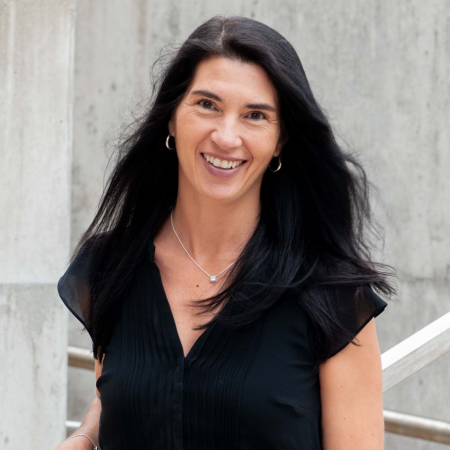
“Through embedding the EDIDA modules, reflections, inclusive leadership principles and Indigenous Allyship into courses and professional development, students engage with diverse perspectives, challenge unconscious biases, deepen intercultural competencies and strengthen collaboration. It is truly exciting to see our students thrive in their summer co-op work term and early careers as inclusive, respectful, and engaging team members, leaders and allies who are championing positive impact across industries, government, universities and organizations.”
Pamela Doxtator
Career Services Officer, Master of Environment and Sustainability, Faculty of Science