
Search Website
Inclusive Excellence in Research and Innovation
Strategic Plan Commitment
Western builds inclusive and accessible research and innovation environments through equitable practices, policies and supports that foster diverse perspectives and impactful outcomes; embracing the intentional integration of inclusive, decolonial, Indigenization and anti-racist approaches within our research initiatives and ecosystem.
This year, Western advanced this priority by:
✓ Strengthening equitable research governance and decision-making
✓ Supporting diverse researchers and interdisciplinary collaboration
✓ Building reciprocal partnerships with communities
✓ Advancing research practices that are responsive, ethical and socially impactful
Key Areas of Progress
Units advanced targeted outreach, admissions and recruitment initiatives designed to reduce barriers and expand access for historically underrepresented communities.
- The Faculty of Education appointed Indigenous, Black and racialized representatives to its Research Committee, strengthening equity perspectives in research governance.
- The Department of Political Science introduced tracking processes to monitor the diversity of invited speakers and research programming, supporting more intentional representation in scholarly engagement.
- The Faculty of Health Sciences completed a faculty-wide environmental scan to identify equity-focused research activities, partnerships and gaps, creating a foundation for future collaboration and planning.
- Ivey Business School continued to leverage equity census data to inform recruitment strategies, representation targets, faculty hiring practices and strategic planning.
Units invested in research environments that strengthen mentorship, collaboration and participation among students, faculty and visiting scholars.
- The Faculty of Education established the Education Research Commons, an equitable shared workspace that brings together graduate students, research staff, postdoctoral fellows, visiting scholars and collaborators.
- The Faculty of Education also launched transnational mobility funding, including five $10,000 grants supporting international research exchanges with European institutions.
- The Faculty of Health Sciences created faculty-wide EDIDA working groups to align research priorities and foster collaboration across departments.
- Ivey Business School continued to use institution-wide demographic data to support long-term planning and evidence-informed decision-making related to representation and inclusion.
Across campus, researchers, students and faculty engaged in programming that explored more inclusive, community-engaged and socially accountable approaches to research.
- The Faculty of Social Science collaborated with the Faculty of Science to host the Afternoon of Allyship, featuring presentations on allyship in research, Indigenous knowledge, reconciliation and knowledge mobilization. Approximately 100 students, faculty and staff participated.
- The Department of History delivered an EDIDA-focused Research Seminar Series exploring topics including queer identity, coloniality, gender and sexuality, Indigenous memory studies and the history of Blackface.
- The Faculty of Science continued developing resources that explore the relationship between scientific knowledge, inclusion and equity-related issues in STEM.
“EDIDA in research is a dismantling of systems, spaces and practices to recreate and develop spaces where we can meaningfully embed diverse perspectives. To me, that goes beyond just inviting diverse individuals and it goes beyond just listening to really hearing and integrating those perspectives into the research spaces and into the research that we’re doing. The ideal goal is an active and open partnership.”
Mariam Hayward - Director, Inclusive Research Excellence & Impact, Western Research
EDIDA Community Profile
Fostering Inclusive Research and Knowledge Exchange (Faculty of Social Science)
The Faculty of Social Science continues to advance Western's EDIDA Strategic Plan by creating opportunities for researchers, students, faculty and staff to engage with allyship, reconciliation and inclusive research practices. Through initiatives such as the annual Afternoon of Allyship, the Faculty brings together the campus community to explore how research can better reflect diverse perspectives, community impact and Indigenous knowledge systems.
In collaboration with the Office of Indigenous Initiatives, Western Research's Inclusive Research Excellence and Impact Office and the Faculty of Science, the 2025 program featured presentations on allyship in research and knowledge mobilization. By creating space for learning, reflection and dialogue, Social Science is helping foster a research culture grounded in collaboration, community engagement and equitable knowledge creation.
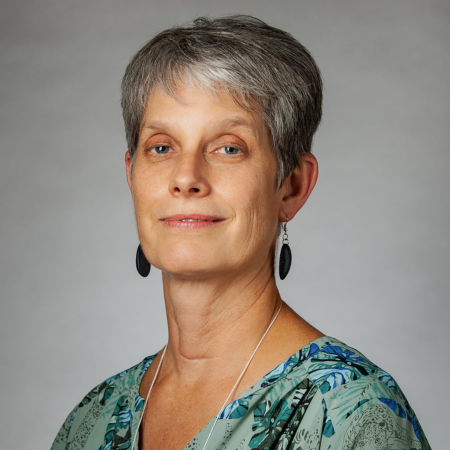
Dr. Kim Clark
Professor, Sociocultural Anthropology, Faculty of Social Science